How to Choose the Right FPV Antenna for Your Drone System
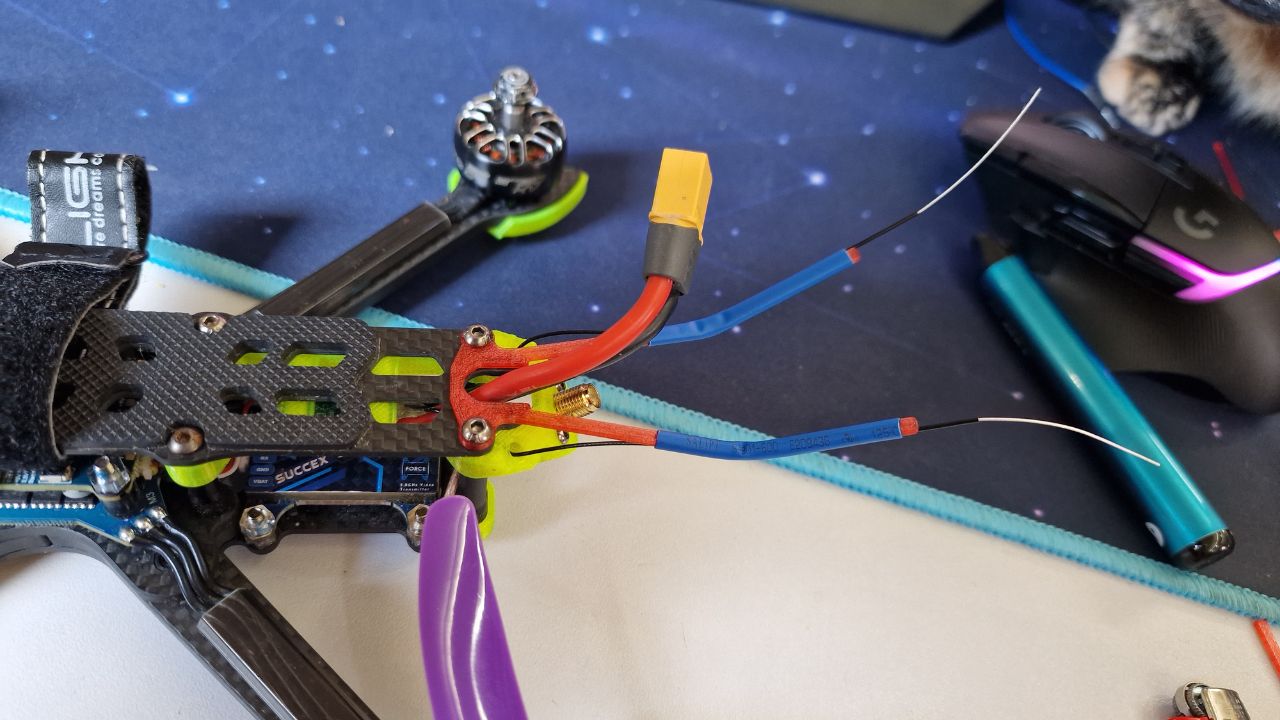
One of the most important steps that can be taken when it comes to using a drone is to select the appropriate FPV antenna. The antenna greatly increases the signal transmission and reception of the drone. The right decision will result in the availability of clear video, stable control, and an enhanced flying experience. A bad decision, in its turn, may result in weak signals and disruptions. Knowing just a few easy things can enable any person to find the appropriate fpv antenna that suits him or her.
Consider the Flying Range
Among the initial ideas that come to mind is the distance that the drone is going to cover. Others like to use it in short distances by flying in the air, or for indoor use, whereas others require long-range coverage when dealing outdoors. In the case of shorter distances, a basic antenna can suffice. In case of a long-distance, a more powerful antenna is required to maintain a stable connection. The range selection is useful to prevent loss of signal in the air.
Think About the Environment
It also depends on the location where the drone is to be used. Open space, urban, and indoor environments all influence signal strength in a variety of ways. Signals are easy to travel in open space, thus most antennas work well. Signals in a congested place with buildings or obstructions may become weak or bouncy. In this scenario, performance can be enhanced by choosing an antenna that is intended to operate under such conditions.
Check Compatibility with the Drone
Not all types of antennas are the same. It is important to check compatibility with every type of drone. It involves ensuring the connector type and frequency of the drone. In case of a mismatch of the antenna, it may not work, or it may perform poorly. Checking compatibility is a time and energy-saving moment in the future.
Focus on Durability
Drones are frequently used outdoors, where they can be exposed to light rain, dust, or wind. An antenna designed to endure such situations will last longer and perform better over time. Durable materials and a robust design can help avoid damage during flights or minor crashes. A high-quality, long-lasting antenna will be an excellent option to use regularly.
Pay Attention to Installation
Ease of installation is another important factor. There are those antennas that can be easily installed, and those that might take some additional measures. It is easier to install an easy-to-set-up antenna, particularly when one is starting. The secure connection also makes sure that the antenna remains in place during flight.
Balance Performance and Cost
The consideration is always on price. Although it may be tempting to select the cheapest, it is usually more appropriate to consider the value. A better investment can be a slightly more expensive antenna that is more functional and has a longer life. Development of a balance between cost and quality will aid in coming up with a feasible decision.
Consider Future Upgrades
The consideration of the future needs also comes in handy when deciding on an FPV antenna. A user can begin with simple flying, but can then desire to travel further or have more advanced drone capabilities. To avoid the inconvenience of having to change the antenna in the future, it is possible to select a type of antenna that can support these plans. A somewhat more competent antenna can be flexible and enable the drone system to expand in terms of the abilities and needs of a user.
Test and Adjust for Best Results
Once the antenna has been selected and installed, it is necessary to test the antenna under actual conditions. The antenna performance may be influenced by the different locations and flying styles. Trying several flights and noting the quality of signals, users have the possibility to make some small corrections. Just a change of position can enhance performance. The time taken to test the antenna will make sure that the antenna will perform at its best and will offer a smooth flying experience.
Conclusion
Choosing the appropriate FPV antenna does not necessarily need to be a complex issue. Everyone can make an appropriate decision by taking into account such aspects as range, environment, size, compatibility, and durability. The properly selected antenna will help to enhance the quality of signals and make the process of drone flying more pleasant. The correct choice can allow users to enjoy smoother flights and more reliable performance with each use.